 Blog
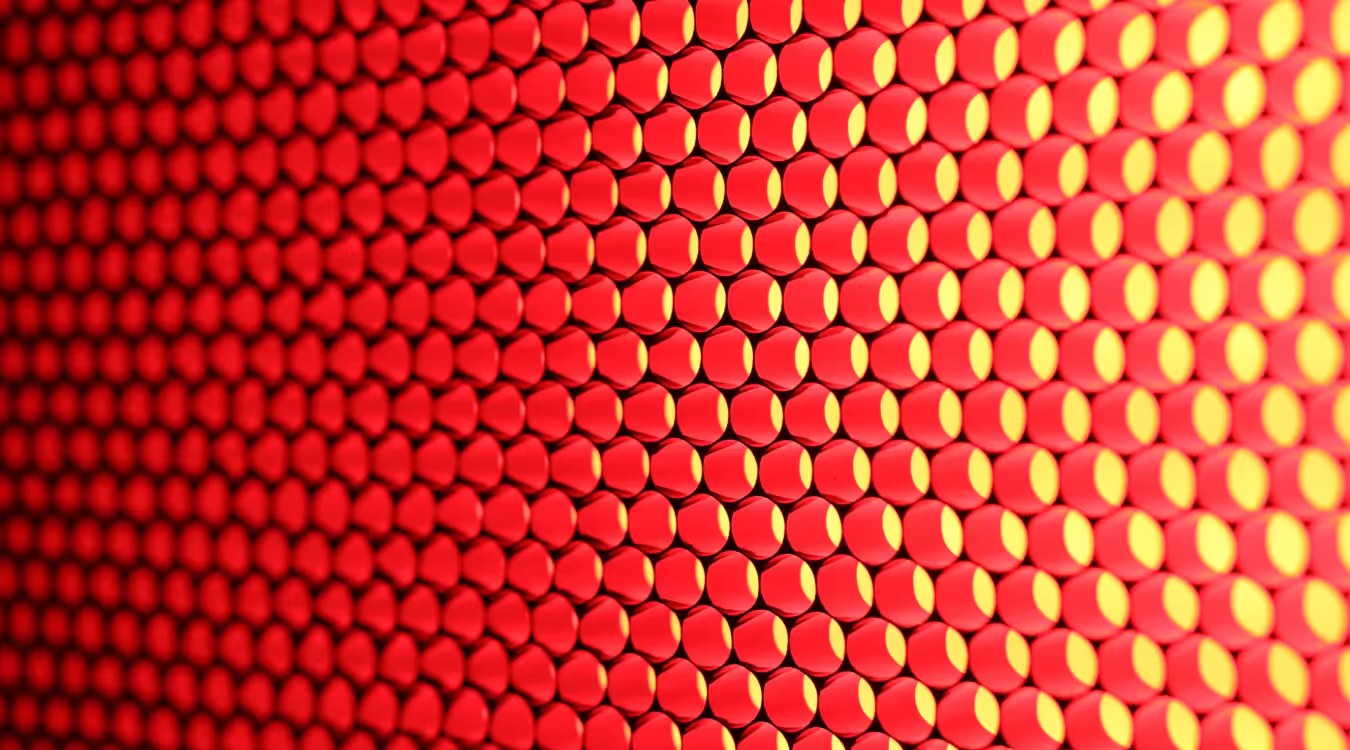
BlogWhat is the difference between red light and near-infrared light?
Unlocking the Mystery: A Comprehensive Guide to Understanding the Distinction between Red Light and Infrared Light

Check out our latest blogs, articles, and papers to stay updated on brain health and photobiomodulation.
BlogUnlocking the Mystery: A Comprehensive Guide to Understanding the Distinction between Red Light and Infrared Light
 Blog
BlogWondering how long to use your Neuradiant 1070 for each program? We've got you covered! Here's a breakdown of the pre-set programs and their recommended durations:

 Blog
BlogWith the Neuradiant 1070, you have the freedom to customize your light experience based on your preferences and needs, enhancing it with your own research:
 Blog
BlogAt Neuronic, we're dedicated to providing transcranial photobiomodulation (tPBM) devices that empower individuals to enhance their cognitive function, mood regulation, and sleep quality.
 Blog
BlogCongratulations on purchasing the Neuronic Masterclass! We're excited to have you join our learning community. This guide will walk you through accessing and starting your Masterclass on the Healthie platform.
 Blog
BlogNeuronic offers a 30-minute complimentary consultation session to guide you through everything you need to know about using our Neuradiant 1070 device.
 Blog
BlogAt Neuronic, we're committed to providing brain photobiomodulation devices designed to enhance your well-being.One question we frequently encounter is, "Why can't I see the lights inside my light therapy helmet?" This might seem surprising, considering a lot of light therapy devices utilize visible red LEDs (620-750 nm).
 Blog
BlogParkinson's disease, the second most common neurodegenerative disease after Alzheimer's [1,2], casts a long shadow on millions of lives worldwide.

 Blog
BlogAutism Spectrum Disorder (ASD) is a neurodevelopmental condition characterized by challenges with social interaction, communication, and repetitive behaviors.
 Blog
BlogDementia, a condition often shrouded in fear and misunderstanding, affects millions globally. While there's currently no cure for dementia, significant advancements offer hope for the future.
 Blog
BlogSleep is an essential physiological process impacting numerous biological systems. Adequate sleep duration and quality are crucial for optimal brain function, cardiovascular health, cellular repair, and immune function.
 Blog
BlogOur brains are the most intricate and awe-inspiring organs in the human body. They control everything from our basic physiological functions like breathing and heart rate to our most complex thoughts, emotions, and memories.
 Blog
BlogAlzheimer's disease (AD) is a progressive neurodegenerative condition characterized by a slow but steady decline in cognitive function. It represents around 70% of dementia cases globally and is designated by the World Health Organization (WHO) as a significant public health concern
 Blog
BlogMemory loss, a common concern affecting individuals across various age groups, presents in several forms and can significantly impact daily functioning and quality of life.
Looks like you haven’t added anything yet, let’s get you started!
Continue shopping